MOROCCAN JEWISH HERITAGE
1. The History of Jewish Communities in Morocco
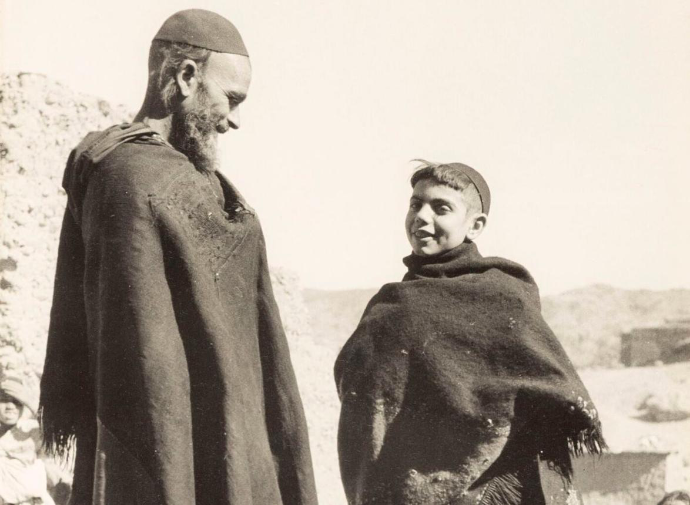
The history of Jewish communities in Morocco goes back more than two thousand years. Jewish communities developed across different regions of the country, including Fez, Marrakech, Casablanca, Meknes, Sefrou, Essaouira, Tetouan, Tangier, and other historic towns.
Over the centuries, Moroccan Jews became part of the country's social, economic, intellectual, and cultural life. They worked as merchants, artisans, craftsmen, scholars, musicians, and community leaders.
A particularly important chapter followed the expulsion of Jews from Spain in 1492, when many Sephardic Jewish families settled in Morocco. They brought with them traditions, religious customs, languages, and cultural practices that gradually became part of Moroccan Jewish life.
Moroccan Jewish identity therefore developed through several influences, including local Amazigh and Arab cultures, Sephardic traditions, and wider Mediterranean connections. World Jewish Congress
Incredible
Features
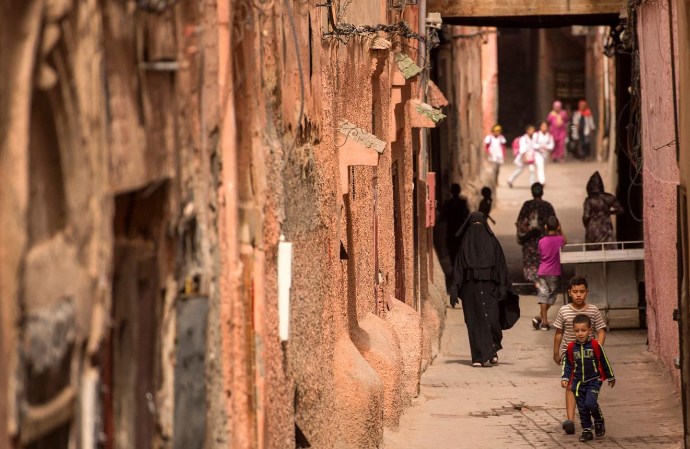
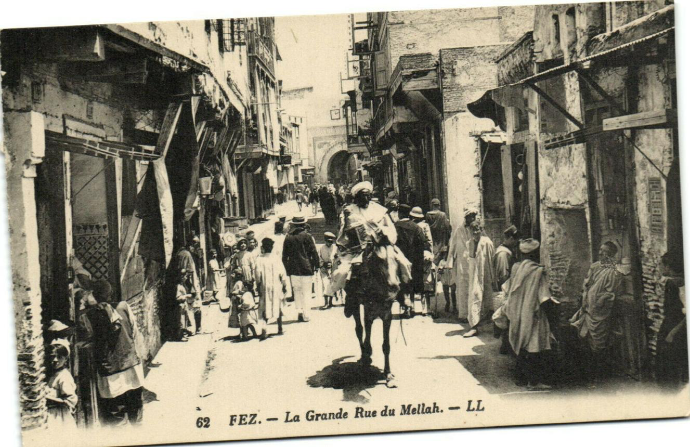
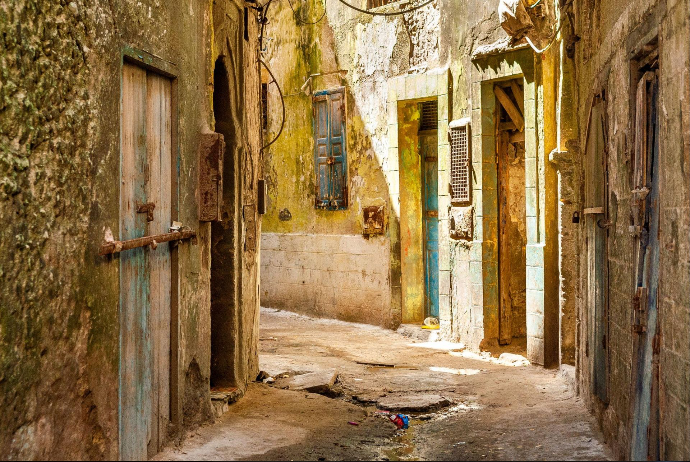
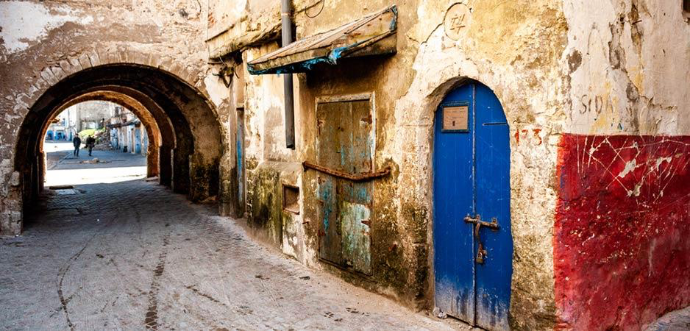
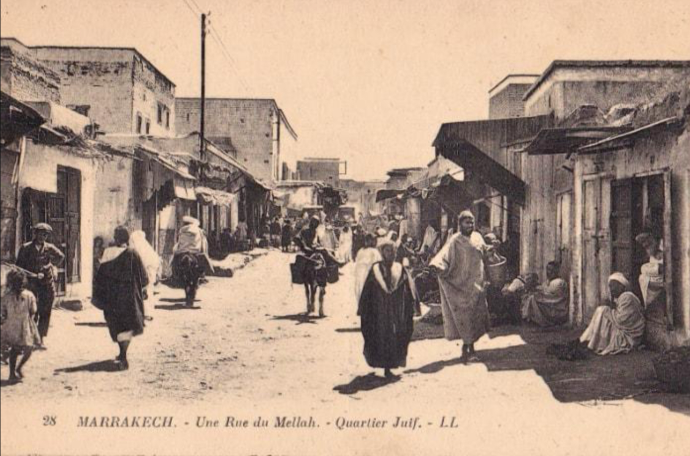
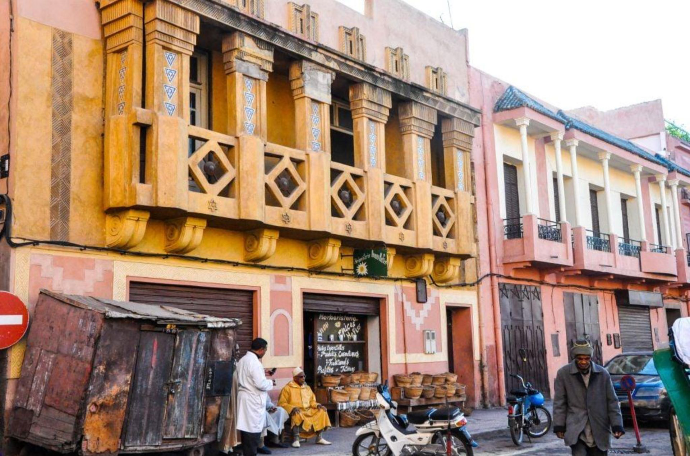
2. The Mellahs: Historic Jewish Quarters
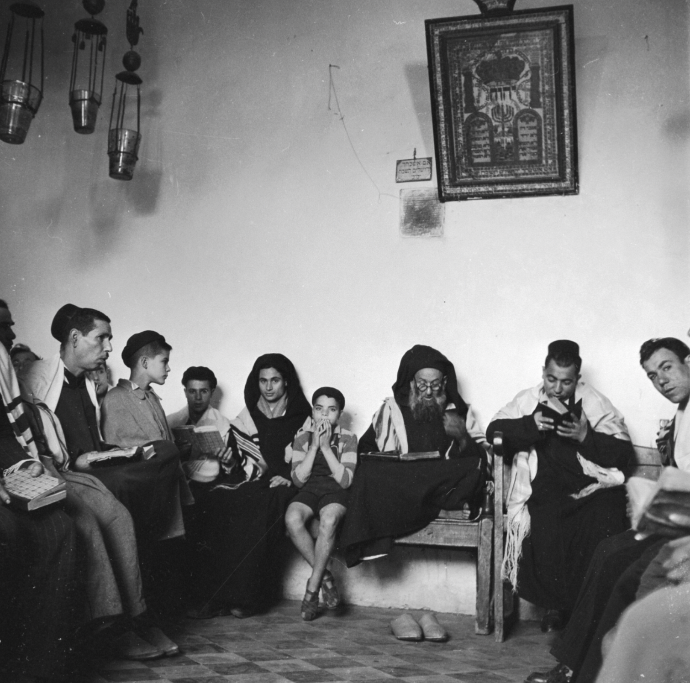
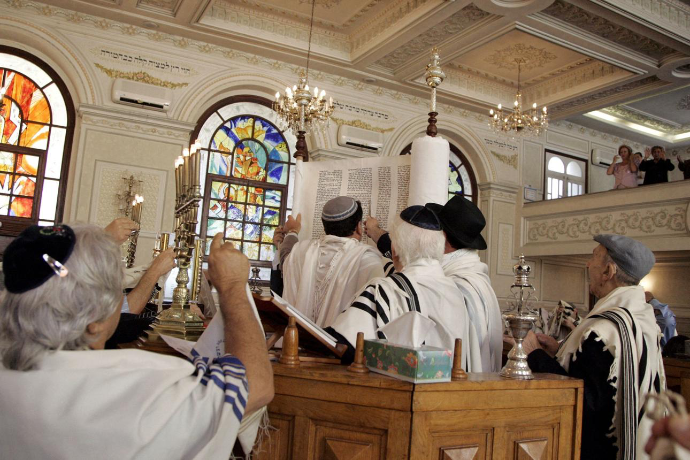
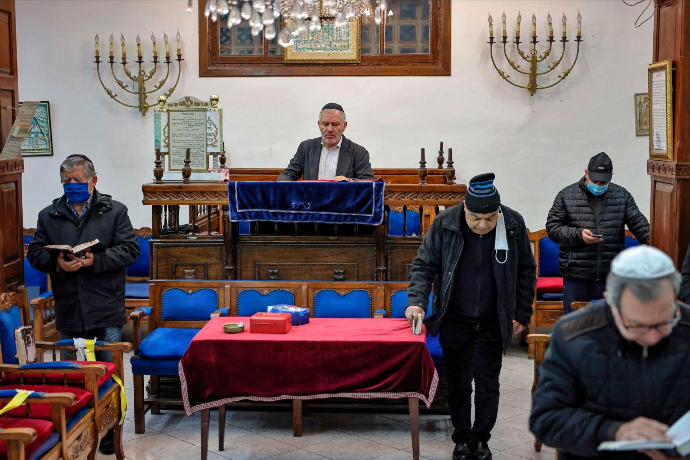
Synagogues are among the most significant elements of Moroccan Jewish heritage. They served as places of prayer, religious education, community gatherings, and cultural continuity.
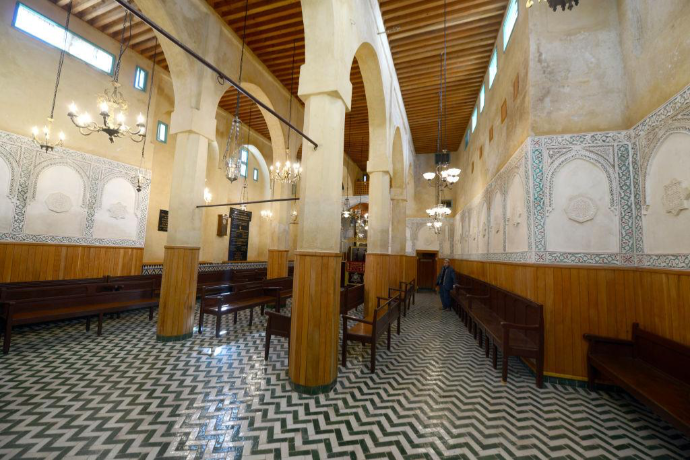
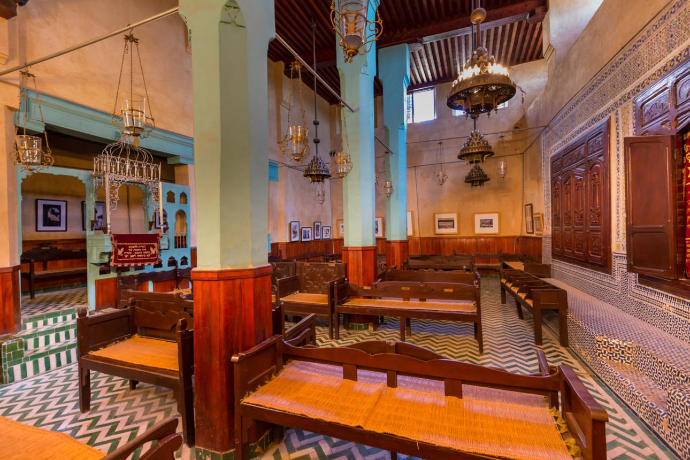
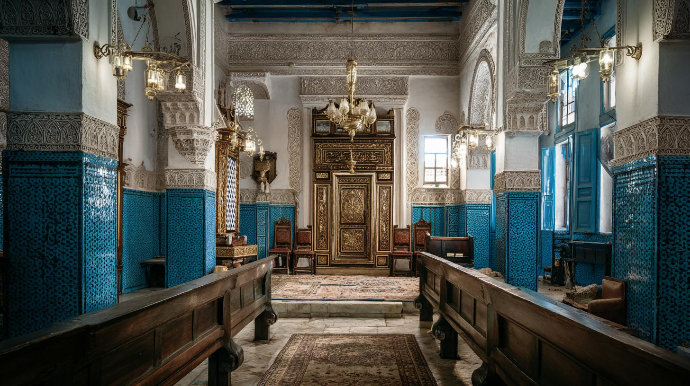
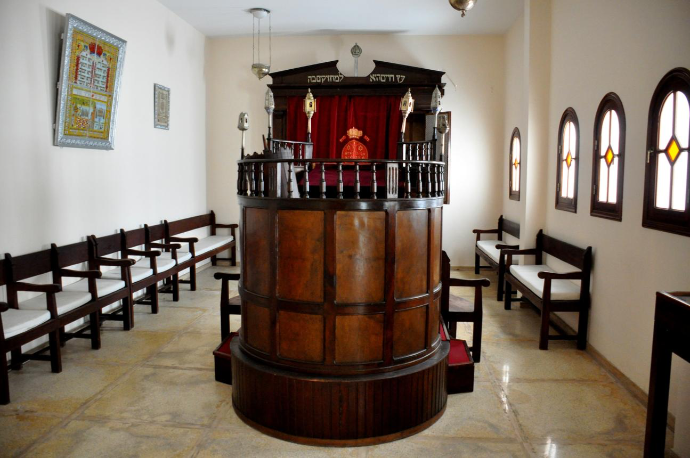
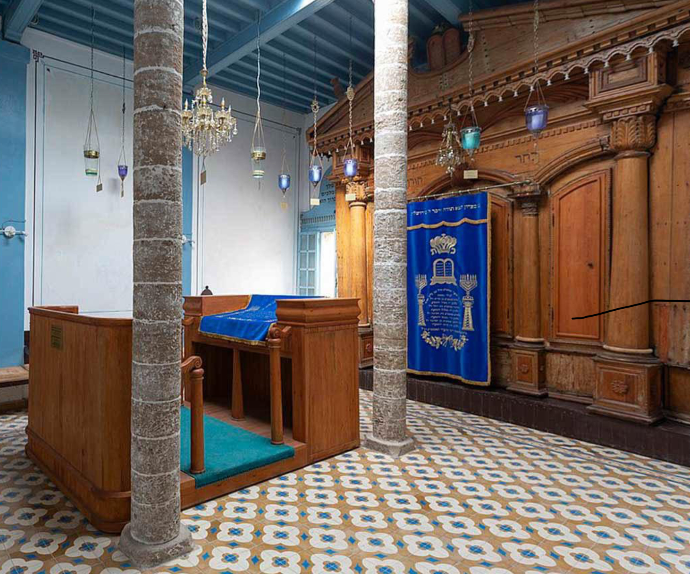
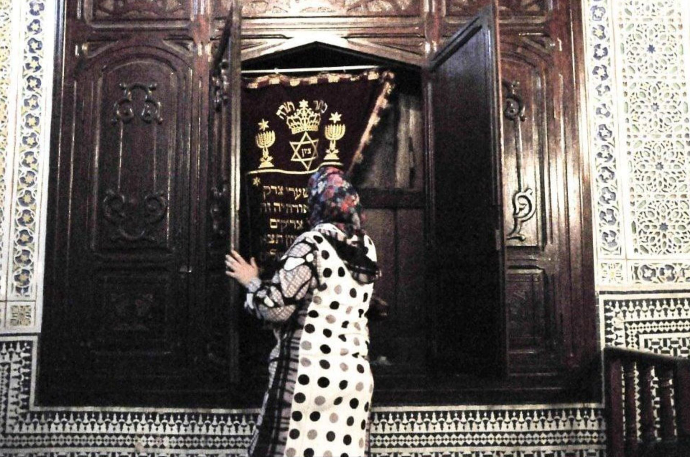
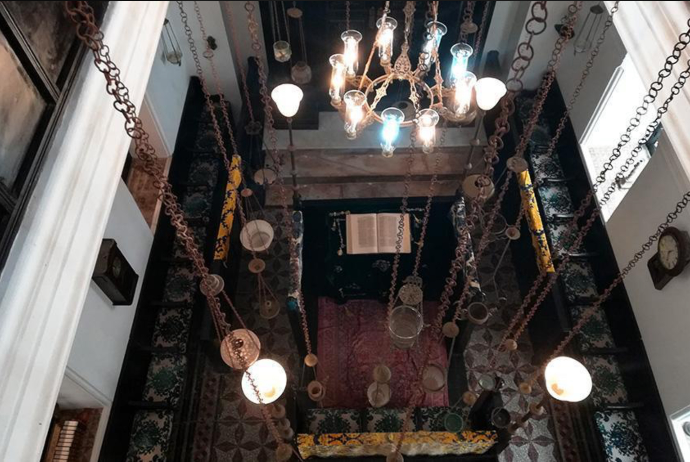
Moroccan synagogues reflect a distinctive architectural character, often combining traditional Moroccan craftsmanship with Jewish religious elements. Decorative tilework, carved wood, ornamental ceilings, Hebrew inscriptions, and traditional prayer spaces can be found in historic buildings.
Some important sites include:
- Ibn Danan Synagogue – Fez: A historic synagogue associated with the Jewish community of Fez.
- Slat Al Fassiyine – Fez: One of the historic synagogues connected to the city's Jewish heritage.
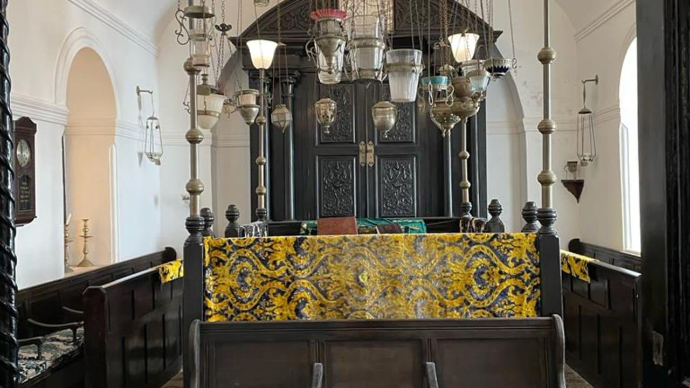
- Simon Attias Synagogue / Bayt Dakira – Essaouira: A historic synagogue transformed into a cultural and memory space.
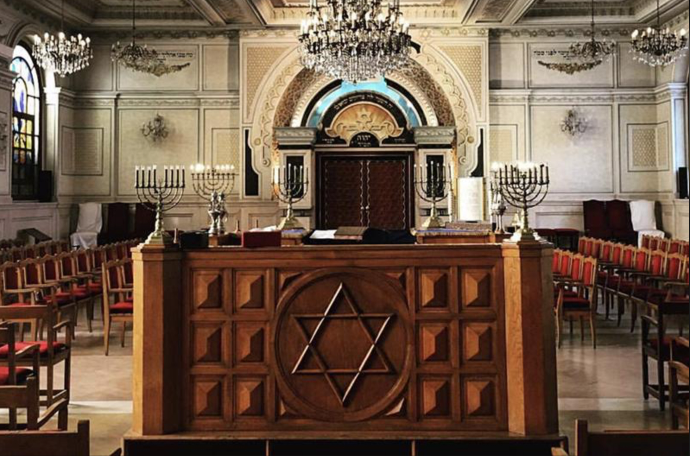
- Beth El Synagogue – Casablanca: An important synagogue within Casablanca's Jewish community.
These sites preserve important architectural, religious, and historical memories.
Incredible
Features
3. Synagogues and Religious Architecture
Synagogues are among the most significant elements of Moroccan Jewish heritage. They served as places of prayer, religious education, community gatherings, and cultural continuity.
Moroccan synagogues reflect a distinctive architectural character, often combining traditional Moroccan craftsmanship with Jewish religious elements. Decorative tilework, carved wood, ornamental ceilings, Hebrew inscriptions, and traditional prayer spaces can be found in historic buildings.
Some important sites include:
- Ibn Danan Synagogue – Fez: A historic synagogue associated with the Jewish community of Fez.
- Slat Al Fassiyine – Fez: One of the historic synagogues connected to the city's Jewish heritage.
- Simon Attias Synagogue / Bayt Dakira – Essaouira: A historic synagogue transformed into a cultural and memory space.
- Beth El Synagogue – Casablanca: An important synagogue within Casablanca's Jewish community.
These sites preserve important architectural, religious, and historical memories. World Jewish Congress
Incredible
Features
4. Languages, Music, and Cultural Traditions
Moroccan Jewish culture developed through a rich combination of languages, music, poetry, and oral traditions.
Different communities spoke different languages depending on their region and historical background:
- Judeo-Arabic: Local varieties of Arabic used by Jewish communities.
- Haketia: A Judeo-Spanish language traditionally associated with Jewish communities in northern Morocco.
- Judeo-Amazigh: Jewish varieties of Amazigh languages spoken in some regions.
- Hebrew: The principal language of Jewish prayer and religious texts.
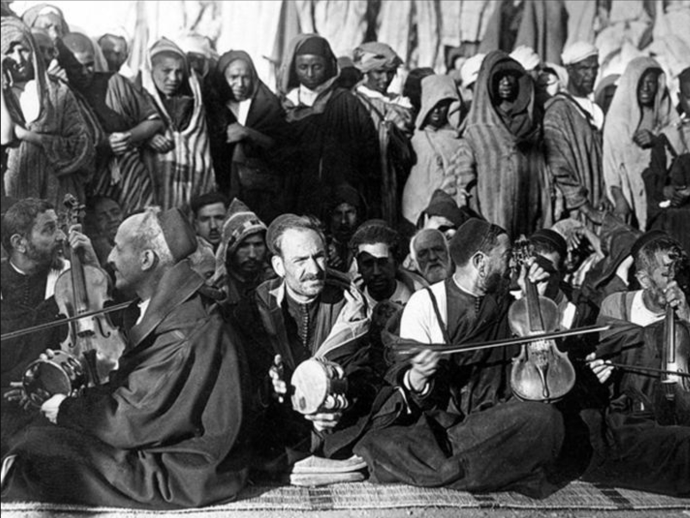
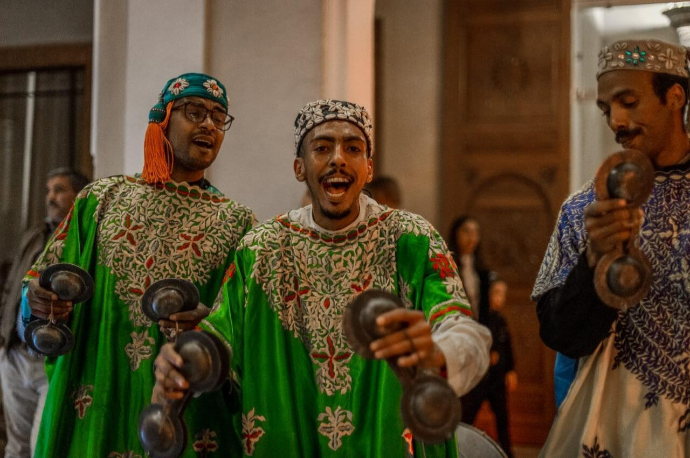
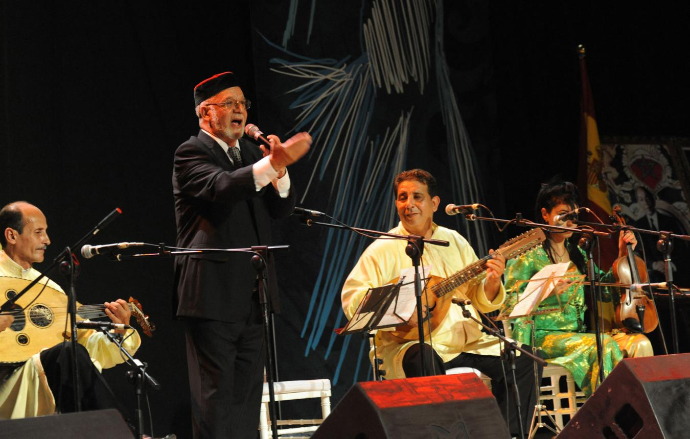
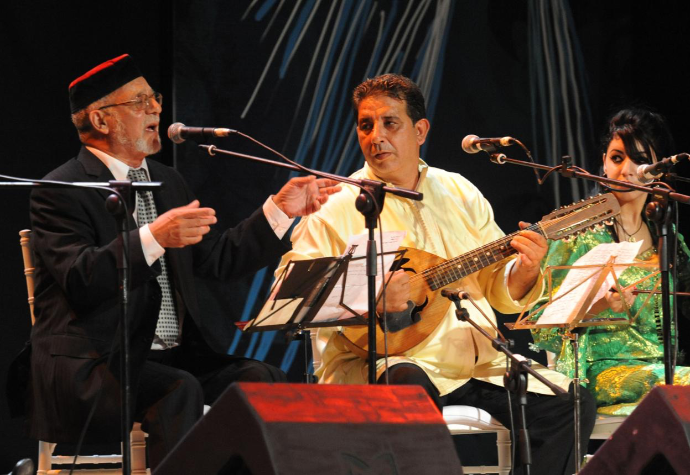
Music also played an important role in community life. Moroccan Jewish musical traditions include religious chants, liturgical poetry, Andalusian influences, traditional songs, and melodies shared with the wider Moroccan musical environment.
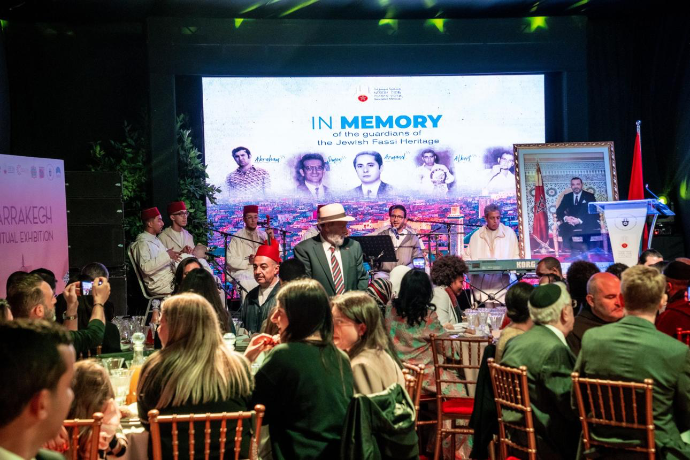
These traditions continue to be preserved through family memories, cultural associations, musical recordings, and performances in Morocco and the diaspora
Incredible
Features
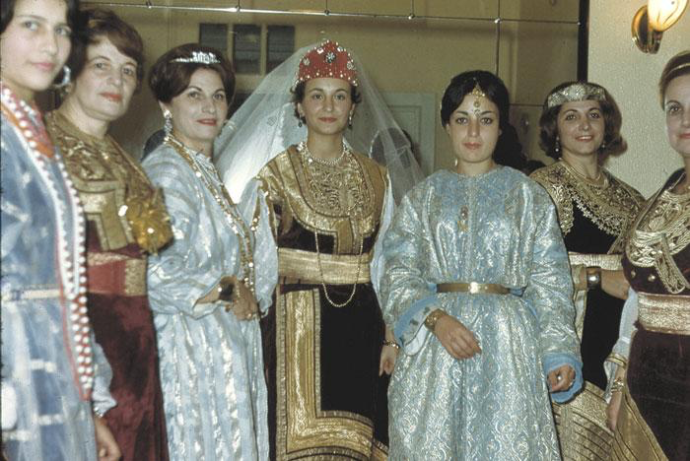
5. Religious Celebrations and Everyday Life
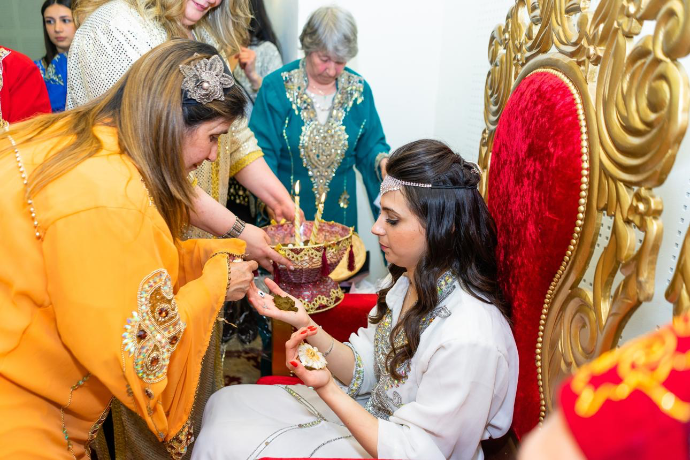
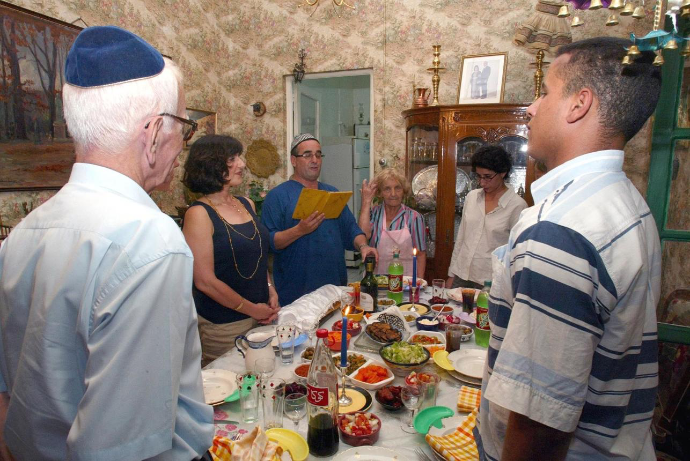
Religious celebrations and family traditions have always been central to Moroccan Jewish identity.
Among the important celebrations are:
- Shabbat: The weekly day of rest, observed from Friday evening to Saturday evening.
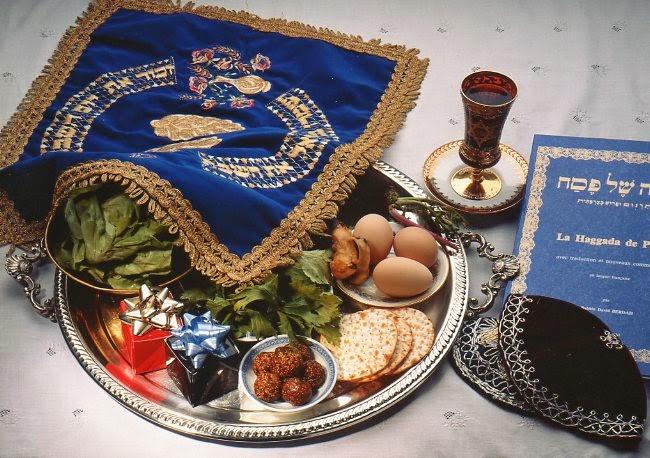
- Passover (Pesach): A major religious festival commemorating the liberation of the Israelites from slavery in ancient Egypt.
- Rosh Hashanah: The Jewish New Year.
- Yom Kippur: The Day of Atonement, dedicated to prayer and reflection.
- Hanukkah: The Festival of Lights.
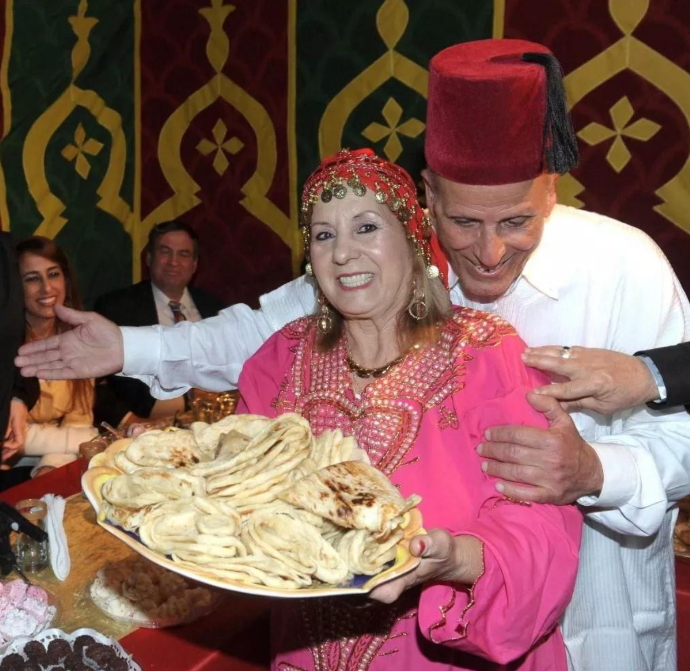
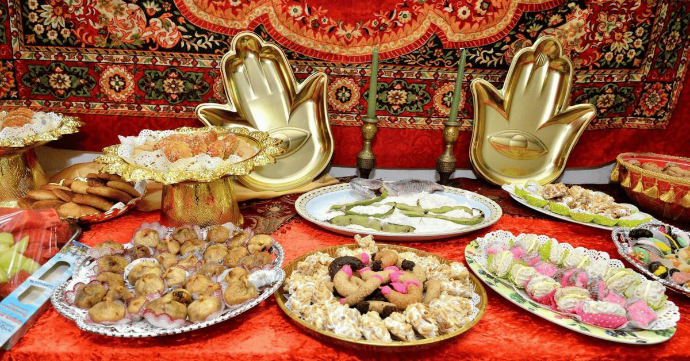
- Mimouna: A traditional celebration held after Passover, particularly associated with Moroccan Jewish communities.
Mimouna is especially significant in Morocco. It is traditionally marked by family visits, hospitality, music, and the sharing of special foods and sweets.
Food, family gatherings, religious ceremonies, and community celebrations helped preserve cultural identity across generations.
Incredible
Features
6. Jewish Contributions to Moroccan Society
Jewish communities contributed to many aspects of Moroccan society throughout history.
Their contributions included:
Trade and Commerce: Jewish merchants participated in local and international commercial networks, connecting Moroccan cities with Mediterranean and other trading centers.
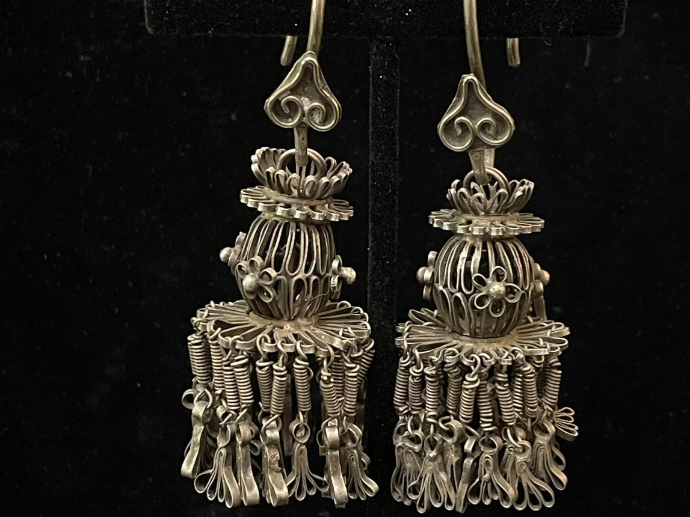
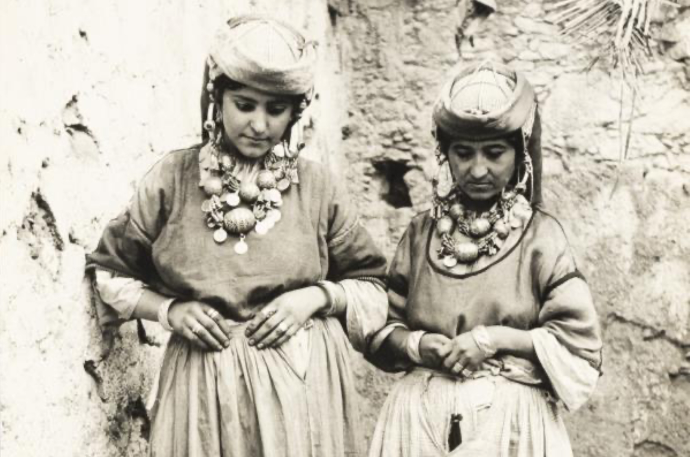
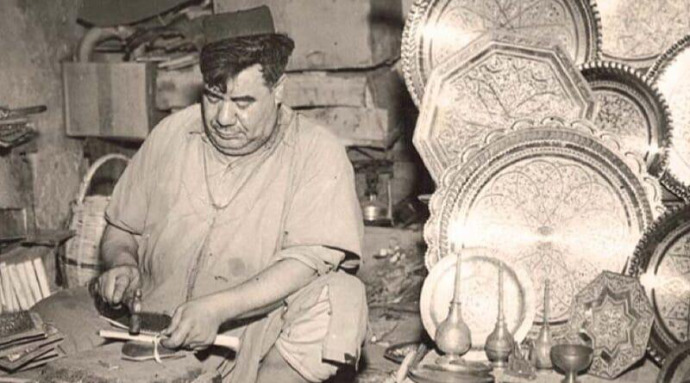
Craftsmanship: Jewish artisans were involved in traditional crafts, including metalwork, jewelry, textiles, and other forms of skilled production.
Music and Arts: Jewish musicians and poets contributed to Morocco's musical traditions, particularly through Andalusian and Judeo-Arabic repertoires.
Education and Scholarship: Religious schools, community institutions, and scholarly traditions played important roles in preserving knowledge and cultural identity.
Cultural Exchange: Jewish communities participated in the wider social and cultural life of Morocco, contributing to the country's diverse historical identity.
Incredible
Features
7. Muslim-Jewish Relations and Shared Heritage
The relationship between Muslim and Jewish communities is an important part of Moroccan history.
For centuries, both communities lived within the same cities and interacted through commerce, craftsmanship, music, language, neighborhood life, and cultural traditions.
Their historical relationship was not always free from tensions or inequality. Jewish communities experienced different legal and social conditions across periods and regions. Understanding this history requires recognizing both the moments of cooperation and the difficulties that shaped communal life.
Nevertheless, shared cultural experiences left a lasting mark on Morocco's architecture, music, food, language, and collective memory.
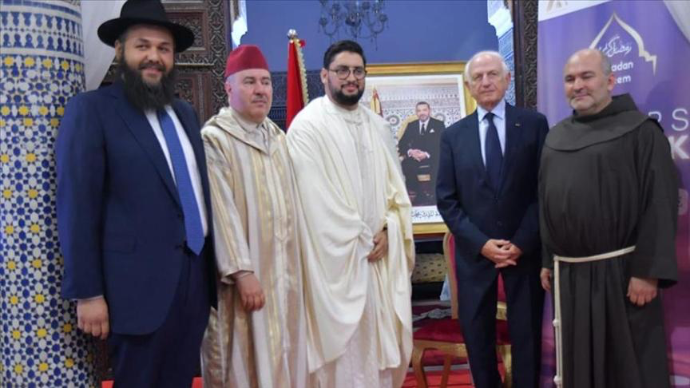
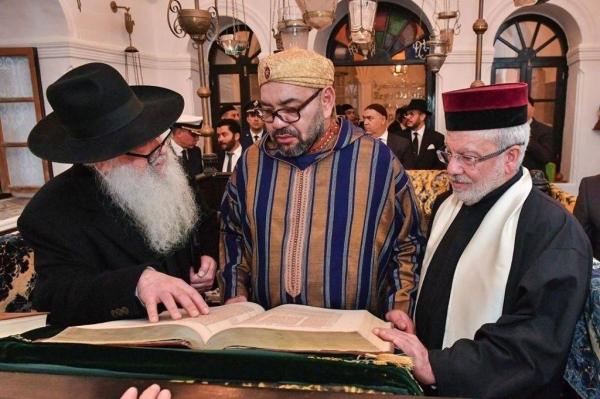
Today, Morocco's Jewish heritage offers an opportunity to explore the country's history of cultural interaction and the importance of preserving historical memory.
Incredible
Features
8. The Moroccan Jewish Diaspora and the Community Today
During the twentieth century, particularly from the 1940s onward, large numbers of Moroccan Jews emigrated to countries including Israel, France, Canada, and other parts of the world.
This migration transformed the demographic landscape of Morocco's Jewish communities. Many families established new lives abroad while maintaining strong cultural and emotional connections to their Moroccan origins.
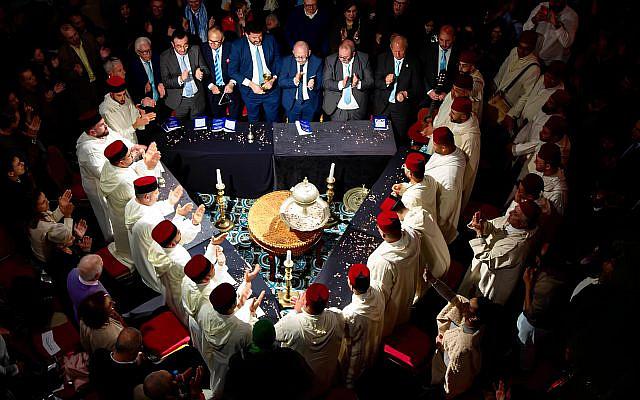
Today, Morocco continues to have a Jewish community, as well as synagogues, heritage institutions, cemeteries, and cultural initiatives dedicated to preserving Jewish history.
For many people of Moroccan Jewish descent, visiting Morocco represents an opportunity to reconnect with family memories, ancestral neighborhoods, religious sites, and the history of previous generations
Incredible
Features
9. Museums and Heritage Preservation
Preserving Moroccan Jewish heritage is essential to understanding the country's cultural history.
Two important institutions help visitors explore this heritage:
The Museum of Moroccan Judaism – Casablanca
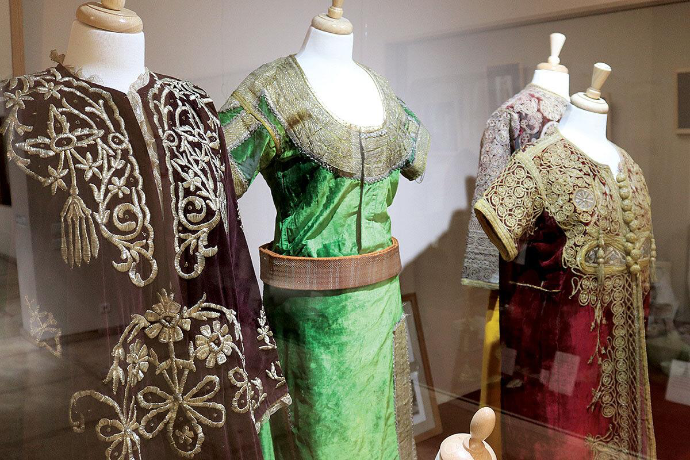
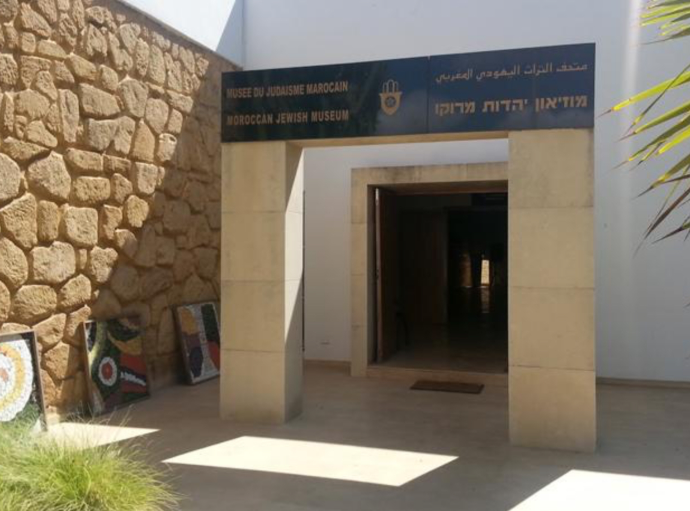
Opened in 1997, the Museum of Moroccan Judaism preserves objects and historical materials related to Jewish life in Morocco. Its collections include religious objects, jewelry, traditional clothing, photographs, and exhibitions documenting Moroccan Jewish history.
Official website: Musée du Judaïsme Marocain. jewishmuseumcasa.com
Bayt Dakira – House of Memory, Essaouira
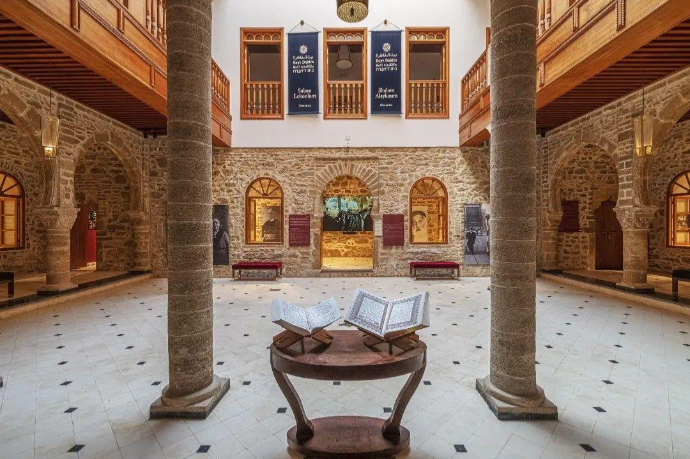
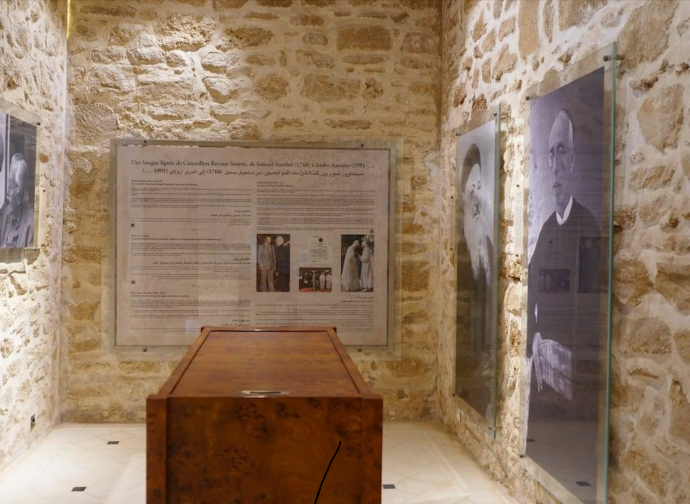
Bayt Dakira is a cultural and historical space dedicated to preserving the memory of Jewish life in Essaouira and highlighting the historical connections between Judaism and Islam.
Located in a historic synagogue building, it brings together heritage exhibitions, historical documentation, and a research center dedicated to Jewish-Muslim relations.
It represents an important place for understanding the city's multicultural history.
Incredible
Features
10. Discover Moroccan Jewish Heritage Through Travel
One of the best ways to understand Moroccan Jewish heritage is to explore the cities and historic sites where this history developed.
Each destination offers a different perspective on the history, traditions, and cultural contributions of Moroccan Jewish communities.
These places are not simply historical attractions. They are part of a broader story about identity, memory, architecture, and the cultural diversity of Morocco.
The historic medinas of Fez and Essaouira are also recognized on UNESCO's World Heritage List, reflecting their wider historical and architectural importance.
Incredible
Features
11. Conclusion: A Heritage Worth Discovering and Preserving
Moroccan Jewish heritage is an essential part of Morocco's national history and cultural identity. Its legacy can be found in historic neighborhoods, synagogues, religious traditions, music, languages, craftsmanship, and the memories of generations.
Exploring this heritage offers visitors an opportunity to understand Morocco through a deeper historical perspective, discovering the stories of communities that helped shape the country's cultural landscape.
Through preservation, education, and meaningful cultural travel, this heritage can continue to connect generations and inspire a greater appreciation of Morocco's diversity.
Moroccan Jewish heritage is not only a story of the past; it is a living part of Morocco's identity and shared cultural memory.